Dedicated 60-Amp Circuit for Home EV Charging Done Right
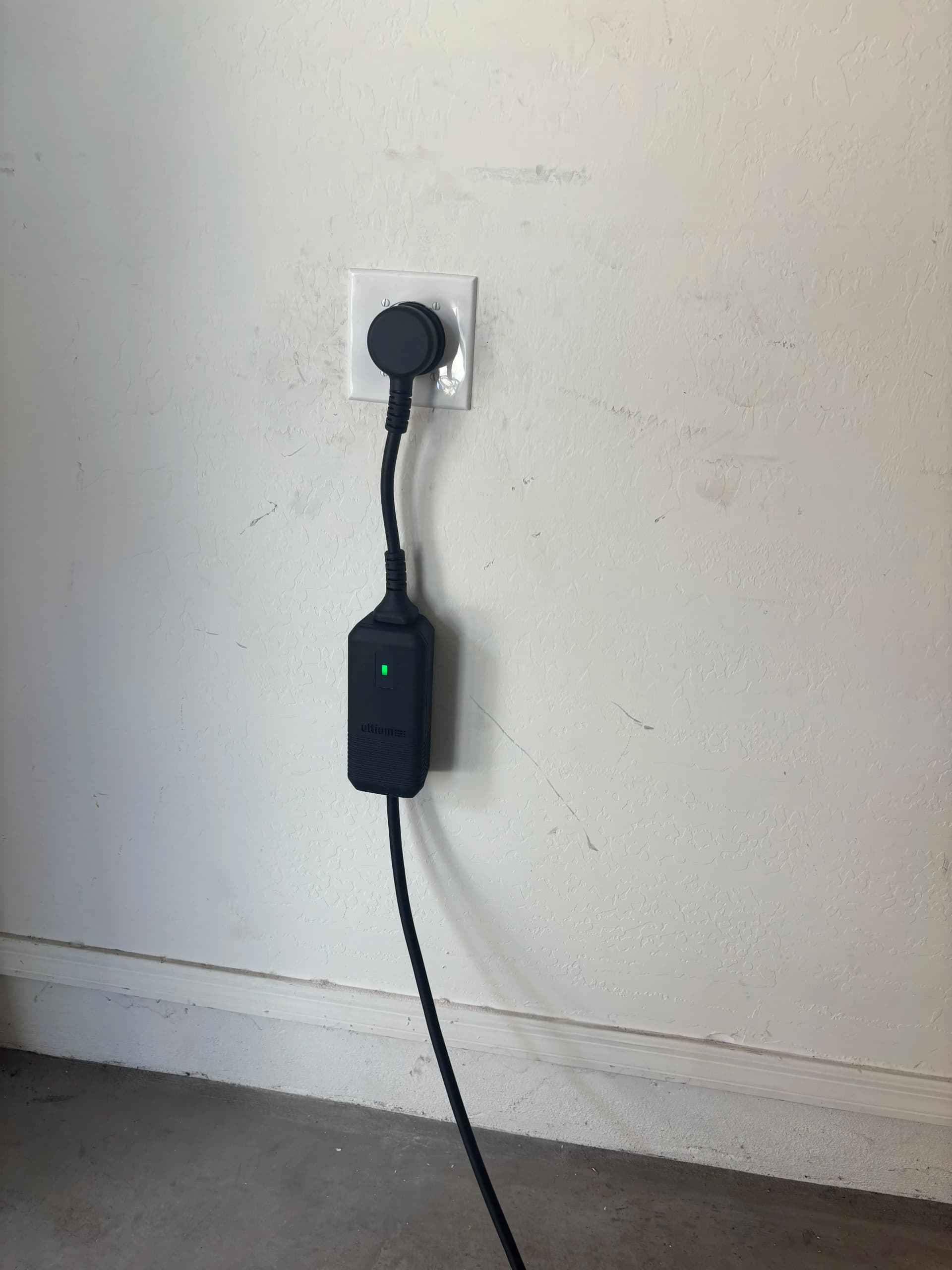
A lot of EV owners plug their charger into whatever outlet is nearby and call it a day. That works - until it doesn't. Shared circuits weren't designed to handle the sustained load of EV charging, and over time, that's how you end up with tripped breakers, overheating, and real safety concerns.
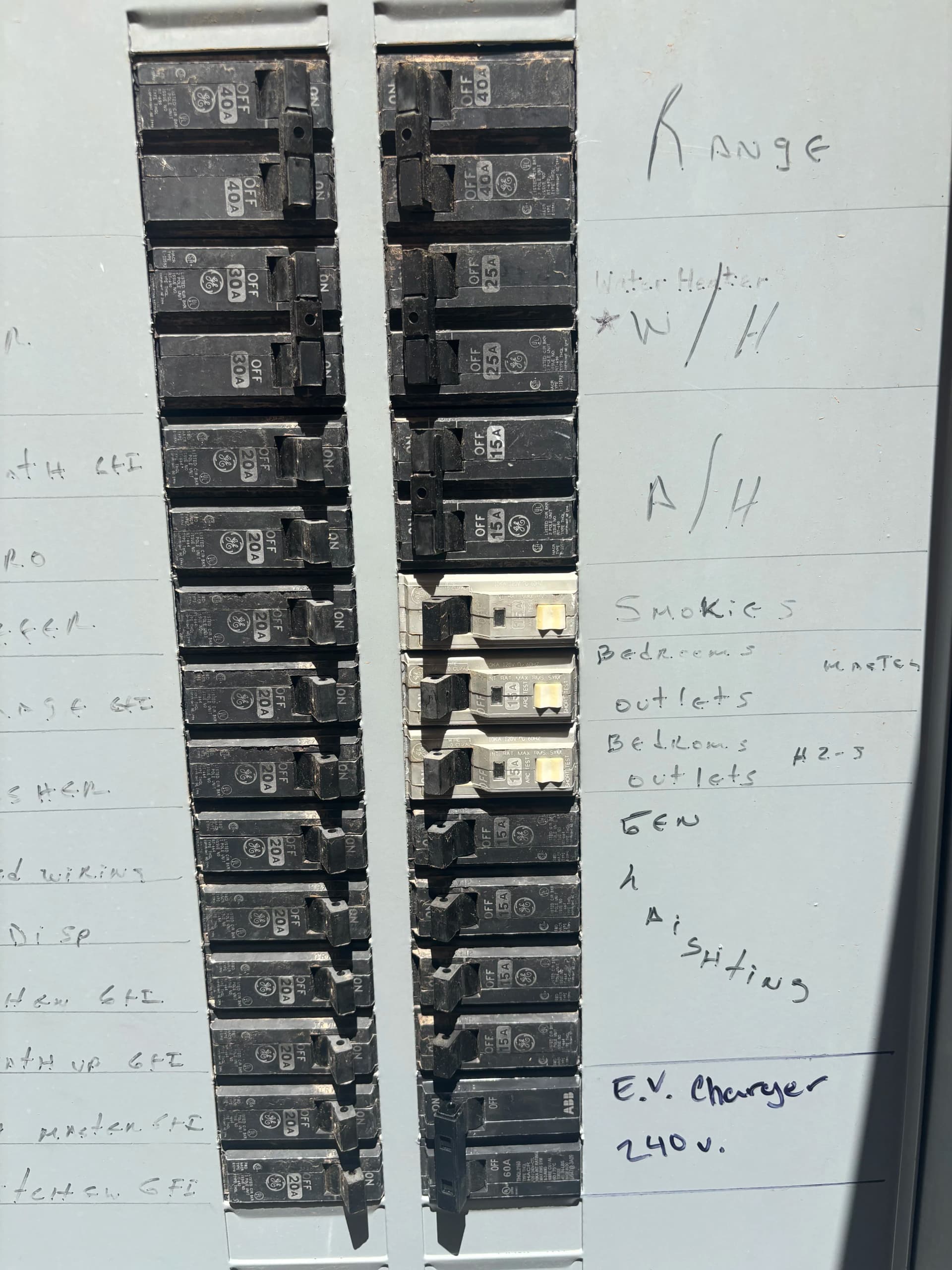
What we did here was straightforward but important. We ran a dedicated 240V circuit specifically for the EV charger and labeled it cleanly at the panel - labeled "E.V. Charger 240V" so there's zero guesswork for anyone working in that panel down the road. That kind of organization matters more than people realize.
The 60-amp dedicated circuit gives the charger its own lane. Nothing else is competing with it. The green indicator light on the charger unit confirms it's pulling power correctly, and because it's isolated from the rest of the home's circuits, you're not putting stress on breakers that are already carrying a full load.
This is the right way to set up home EV charging from the start. Not a workaround, not a temporary fix - a proper installation that keeps the electrical system balanced and the charger running reliably night after night. If your panel doesn't have room or capacity for a dedicated circuit, that's where an electrical panel upgrade conversation starts too.