Garage and Workshop Electrical Upgrade Done Right
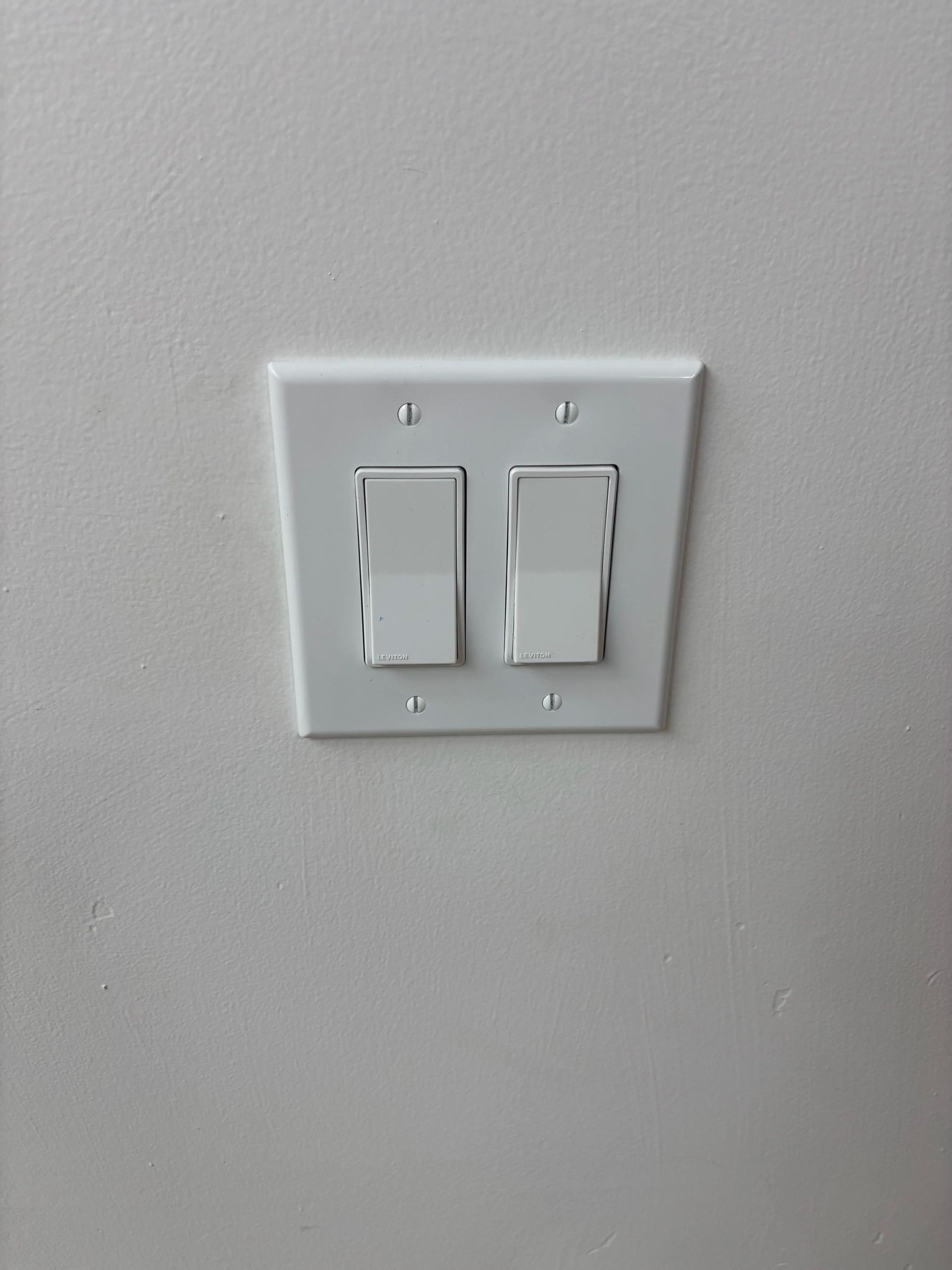
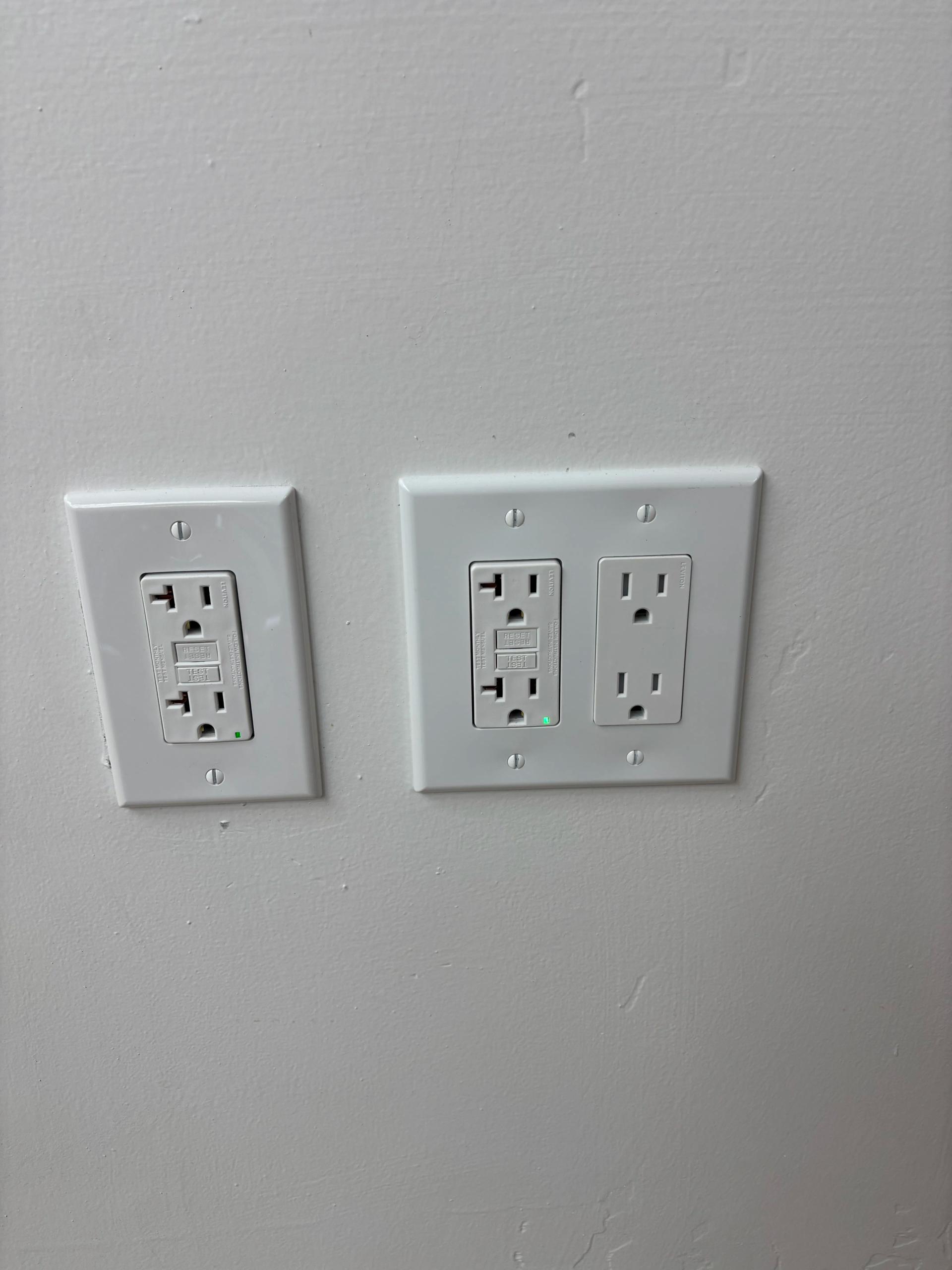
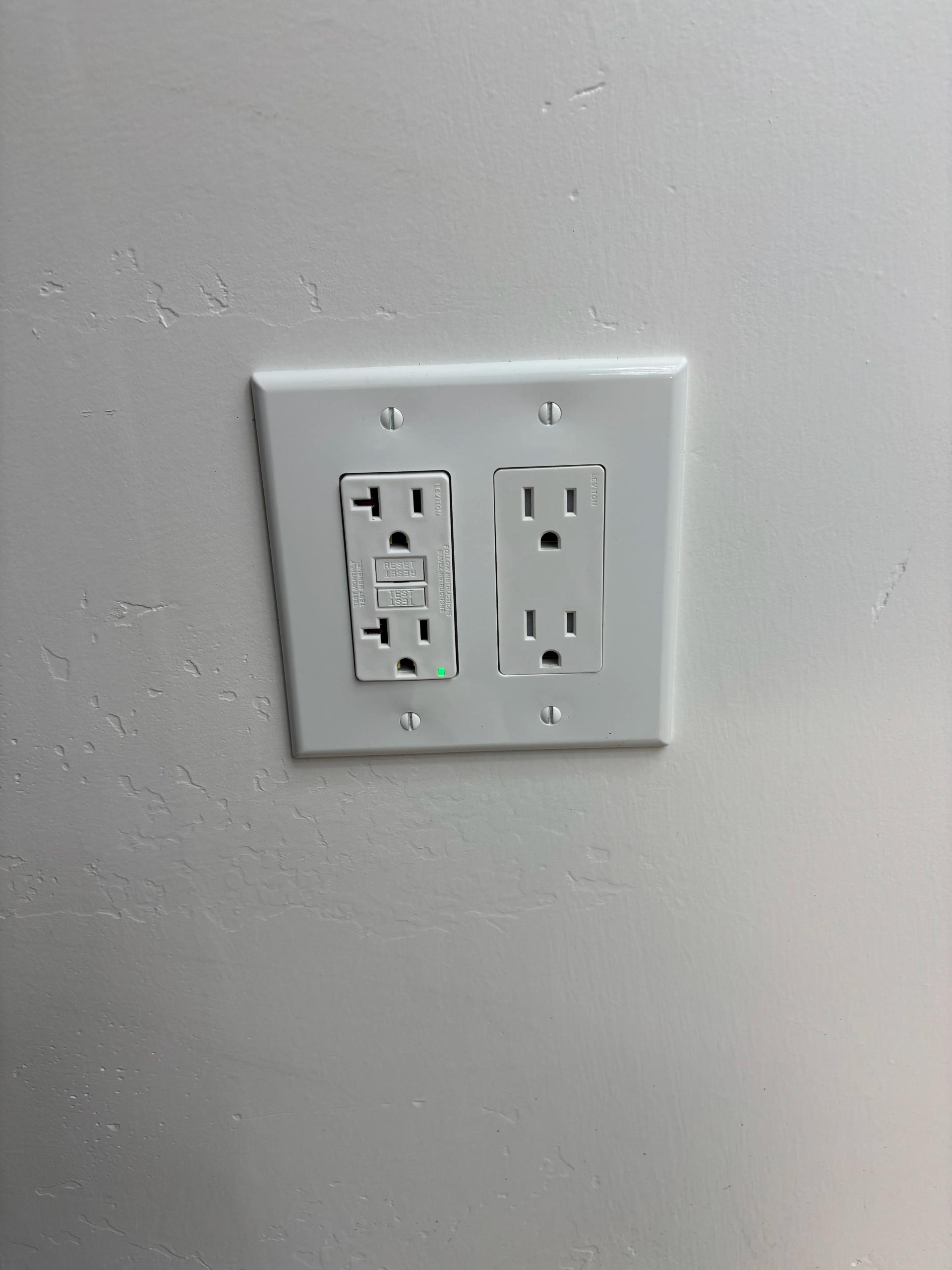
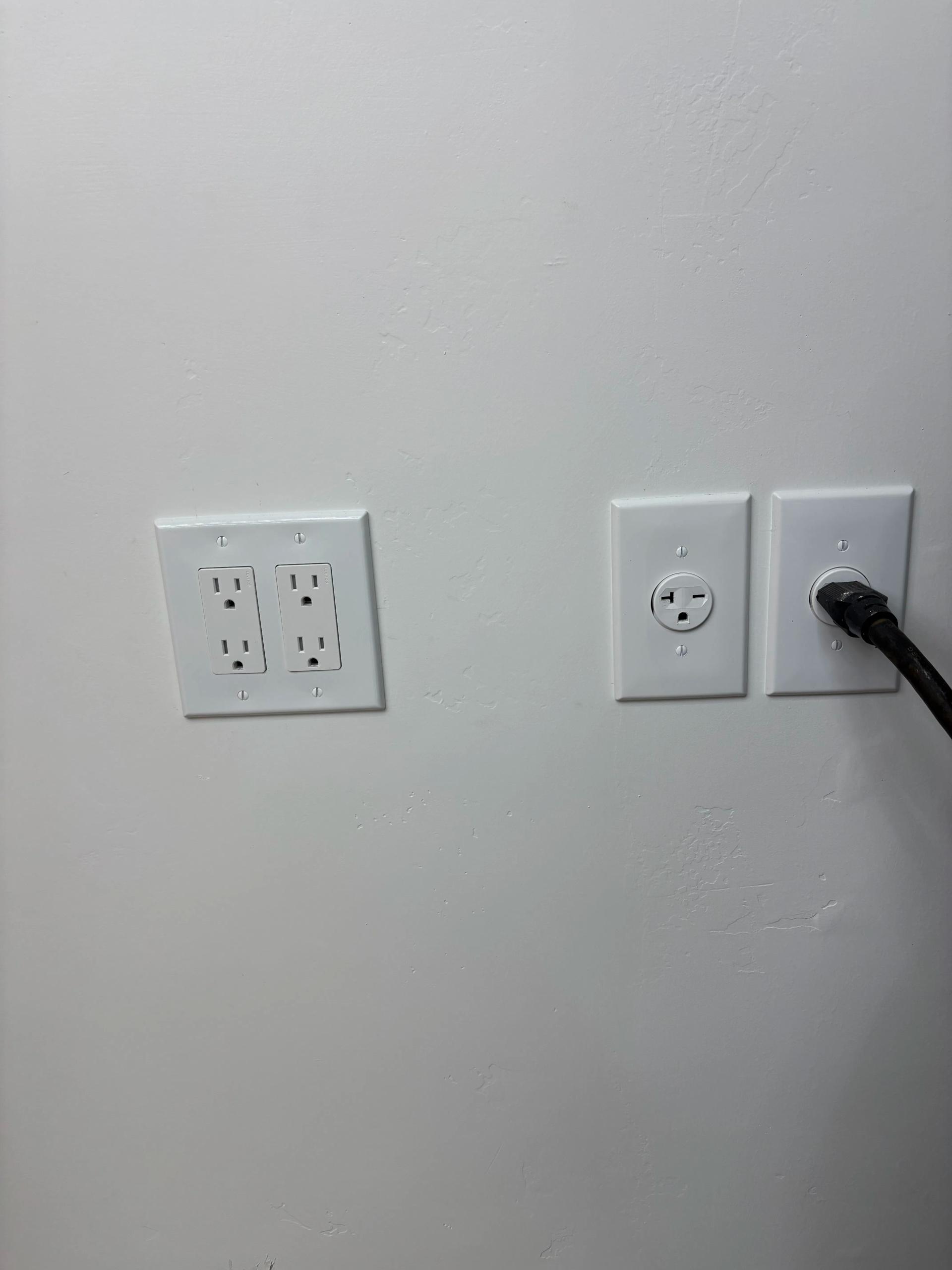
Most garages are wired just enough to get by. A single circuit, a couple of basic outlets, and whatever overhead light came with the house. That setup works fine until you actually want to use the space - for a workshop, a home business, or just a serious hobby area. That's exactly the kind of situation we walked into on this one.
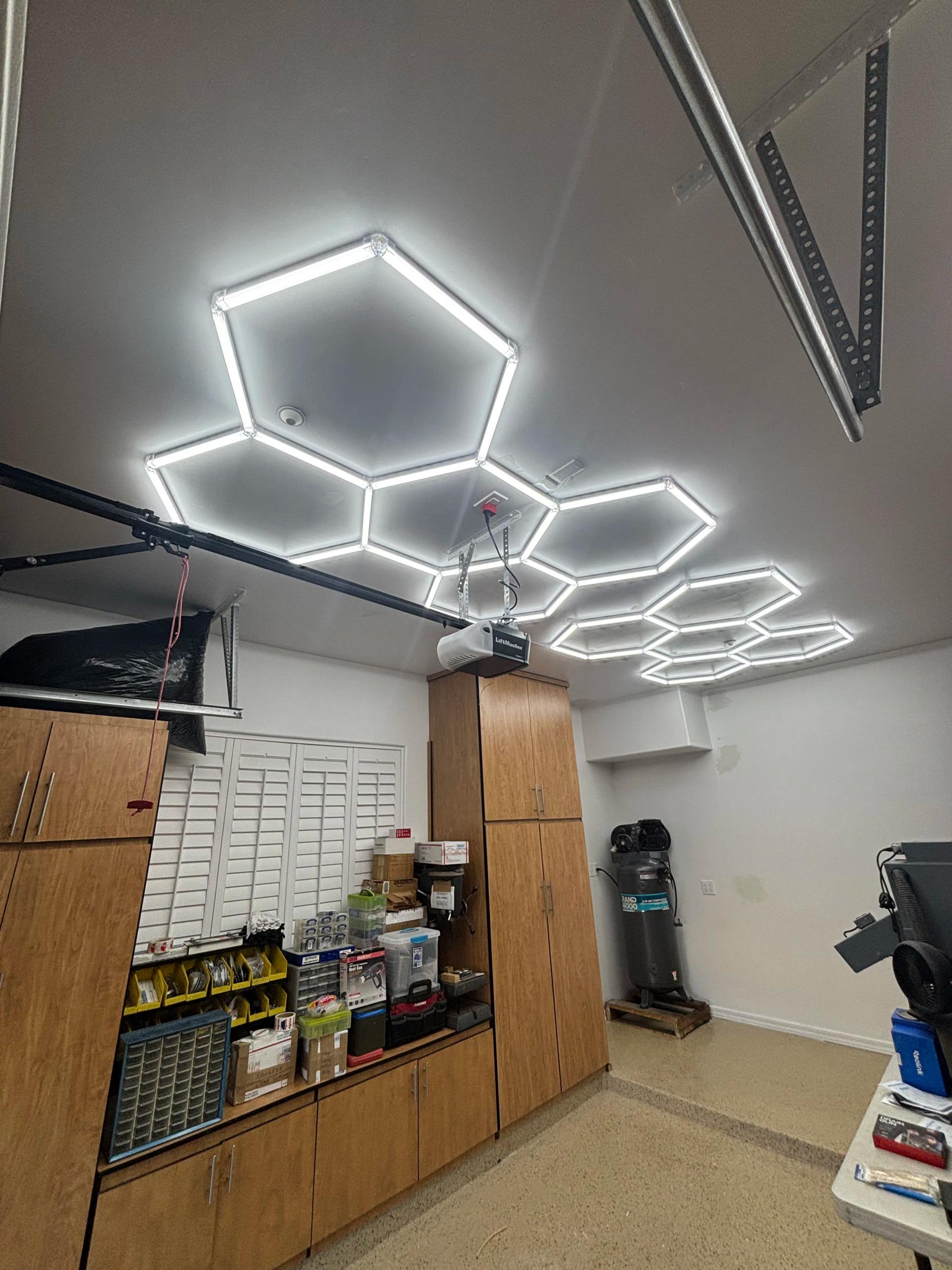
The scope here was big. We ran dedicated 20-amp circuits, installed GFCI outlets throughout, added 220-volt outlets for heavy equipment, and took care of new switches and dimmers. The goal was to make this garage work as hard as the person using it. And the lighting - those hexagonal LED ceiling fixtures light up the main workspace like nothing else. Bright, even, and sharp. No dark corners, no shadows.
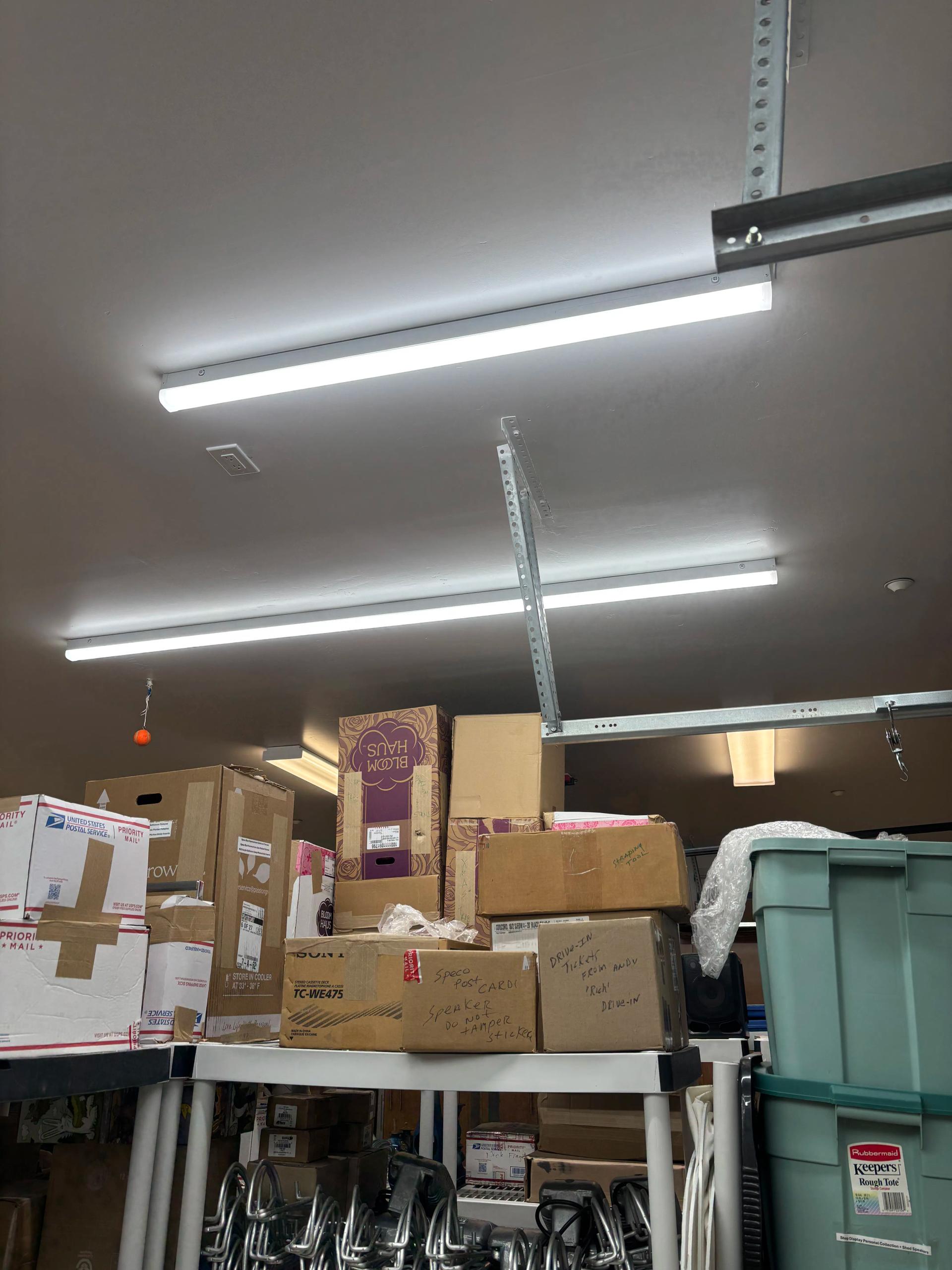
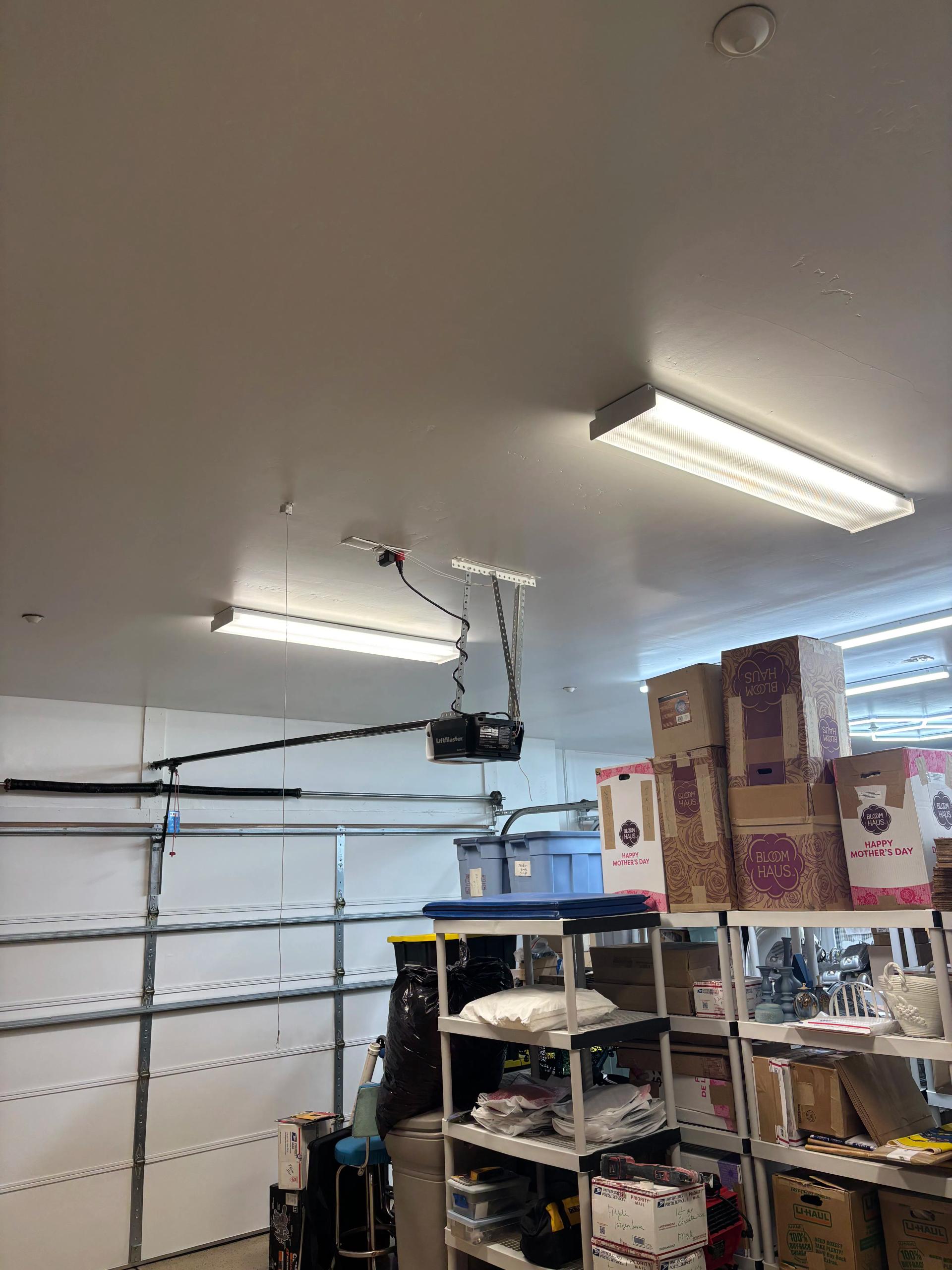
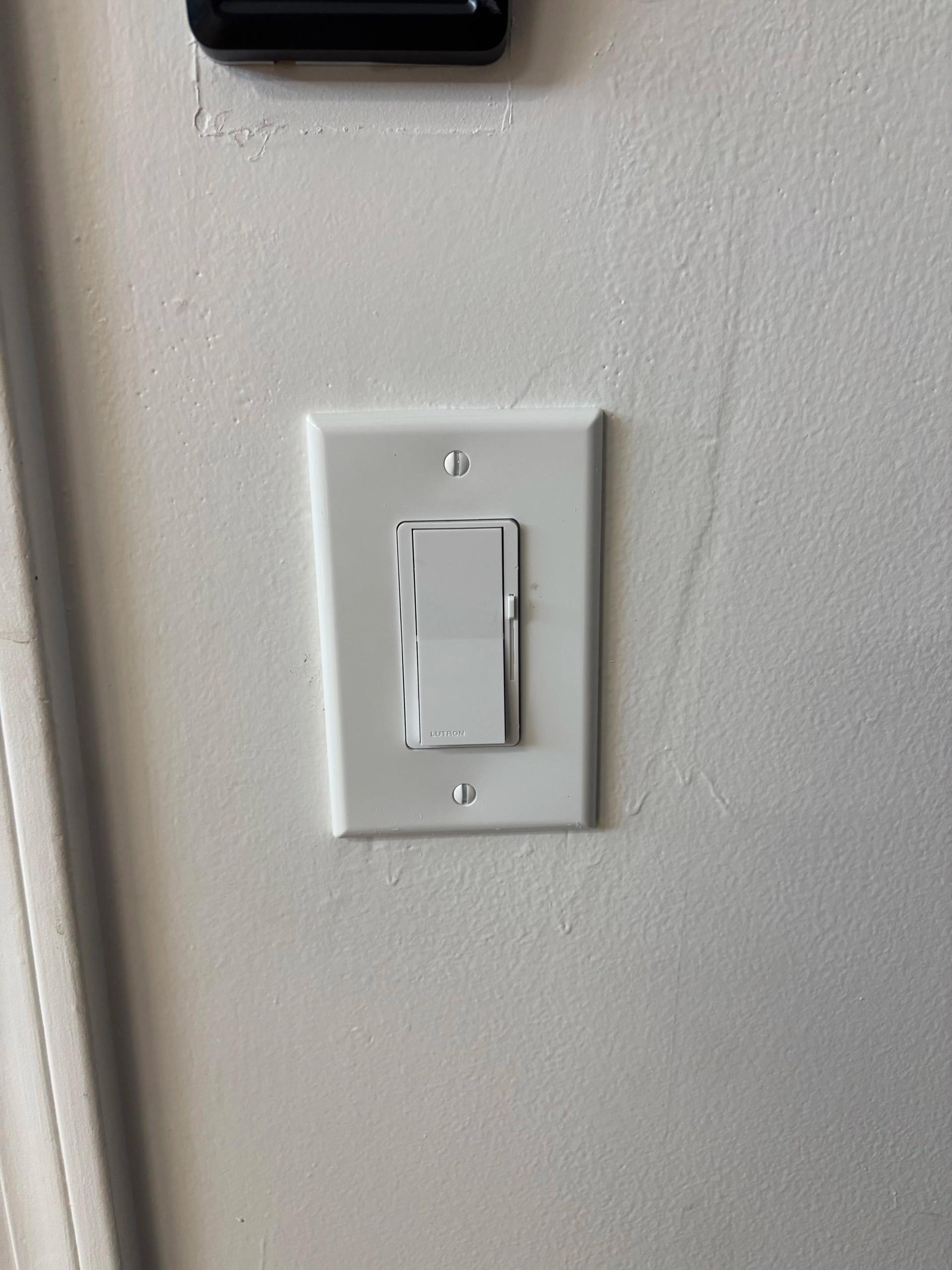
The storage and work area side of the space got its own treatment too. We hung shop-style linear LED fixtures to cover that zone properly, so every inch of the workspace has solid light overhead. A Lutron dimmer and a clean double-switch gang handle lighting control from the wall, and all the new outlets - including multiple GFCI-protected receptacles - are wired on their own circuits so there's no sharing power with the rest of the house.
One thing we always make sure of: when we're done running wire, the walls look like we were never there. Any drywall we opened up got patched and finished before we left. The final result is a space that's safe, up to code, and genuinely ready for daily use - whether that's power tools, charging equipment, or running a small operation out of the garage.
A job like this involves a lot of moving pieces - circuit planning, outlet placement, lighting layout, and patch work all rolled into one. Getting it right means thinking through how the space actually gets used, not just where it's easiest to run wire. That's the difference between a garage that kind of works and one that works exactly the way you need it to.